Fig Tree Facts, Types & Growing Zones

What Do Fig Trees Look Like? A Simple Guide to Identifying These Beautiful Plants

What Do Fig Trees Look Like? A Simple Guide to Identifying These Beautiful Plants

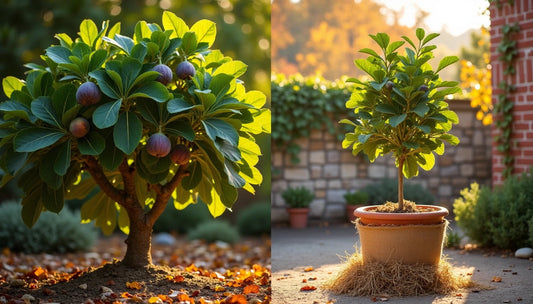
Have you ever wondered what fig trees look like? With over 800 species found mostly in tropical zones, fig trees (Ficus spp.) represent one of the most diverse and fascinating plant groups in the world. While some varieties extend into warmer temperate regions, these remarkable plants share distinctive characteristics that make them both beautiful and practical additions to many landscapes. Fig trees come in an impressive range of shapes, sizes, and colors, each with its own unique appearance and growing habits. From small bushes barely reaching 3 feet to impressive trees growing 33-39 feet tall, the size of a fig tree largely depends on the specific variety and growing conditions
Read More
Where Do Fig Trees Grow? A Gardener's Guide to Perfect Growing Zones

Where Do Fig Trees Grow? A Gardener's Guide to Perfect Growing Zones

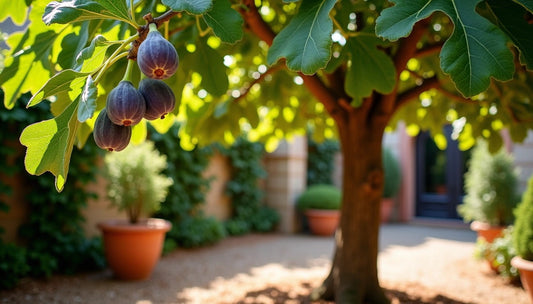
Fig trees have been cultivated for thousands of years, making them one of the oldest fruits humans have ever grown. Where do fig trees grow? While they naturally thrive in areas with long, hot summers (Zones 8 and warmer), these resilient plants can surprisingly adapt to various climates with proper care. In fact, figs enjoy a period of cold weather, though they need protection from freezing temperatures in colder regions. We've found that fig trees are incredibly versatile—they can be successfully grown in USDA Hardiness Zones 5-11 if you follow some basic guidelines
Read More
What Zones Do Fig Trees Grow In? Expert Guide for Success

What Zones Do Fig Trees Grow In? Expert Guide for Success

Fig trees thrive across various growing zones, despite their Mediterranean origins where hot, dry climates dominate. While figs are one of the oldest cultivated plants known to humankind, many gardeners wonder what zones do fig trees grow in when planning their garden. The answer might surprise you! Although most commercial fig production happens in California, we've discovered that these versatile trees can adapt to much colder regions with proper care
Read More